



Germany Abolishes Accelerated Naturalization Mechanism: Implications for European Integration
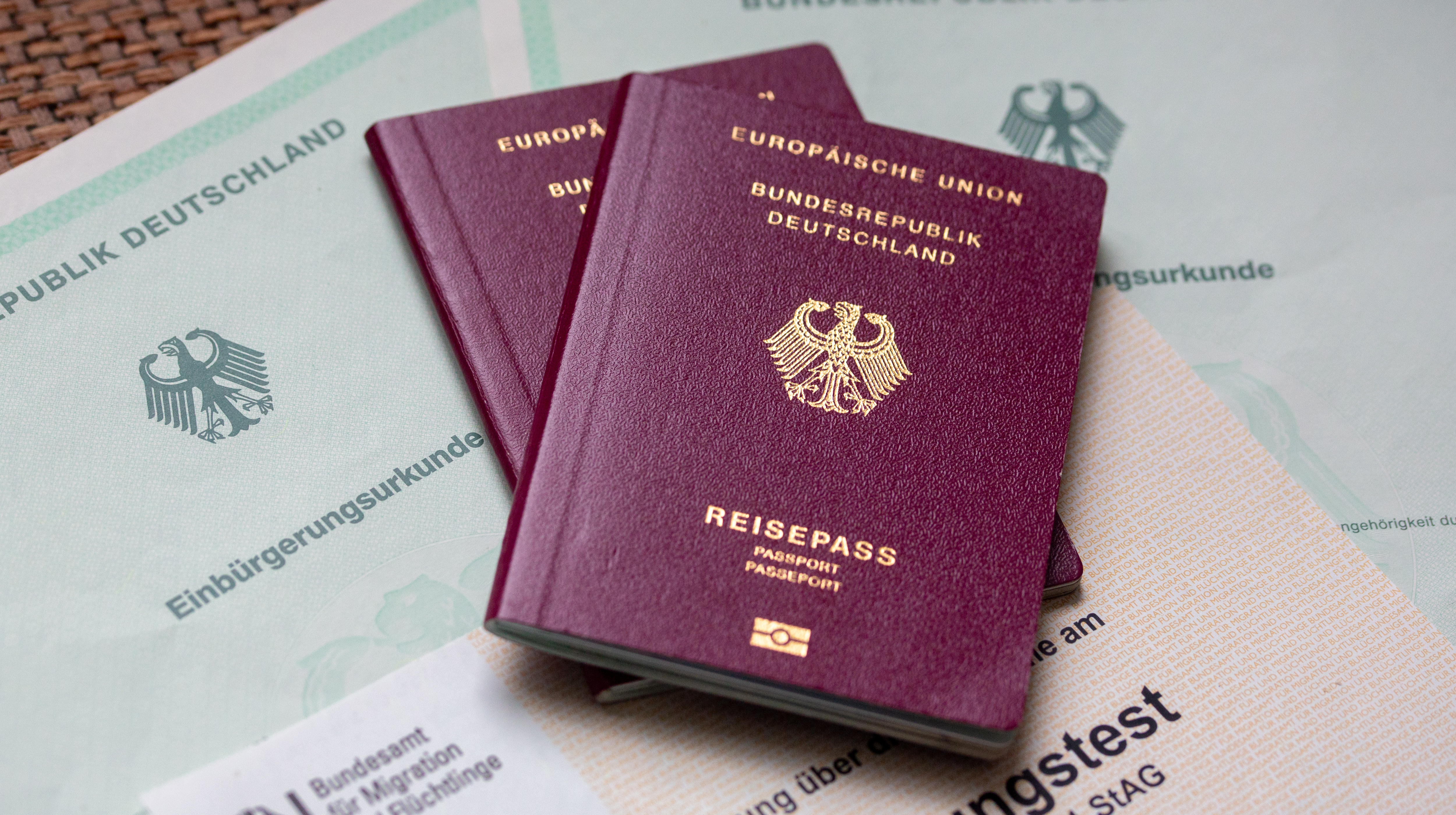
Germany has made a significant decision to revise the existing rules for obtaining citizenship by foreign nationals.
During the latest session of the Bundestag, a law was passed to dismantle the so-called ‘turbo-naturalization’ process, which previously allowed foreigners to acquire German citizenship after just three years of residence, provided they demonstrated successful integration.
Under the new regulations, the minimum residence period has been increased to five years, casting doubt on the effectiveness of this simplified migration procedure.
This move represents a crucial step toward reinforcing the principles of lawful integration and tighter control over citizenship acquisition processes.
German Interior Minister Alexander Dobrindt emphasized that passports should symbolize acknowledgment of successful integration rather than serve as a tool to incentivize illegal migration.
This decision comes amid a sharp increase in the number of new citizens last year, reaching nearly 292,000 individuals—representing a 46% rise compared to the previous year.
As a result of this reform, stricter requirements are expected for citizenship applicants, effectively freezing the expedited naturalization process and influencing migration patterns across Europe.